The Plan Actually Works
You'll see how the vision in Revelation 7 serves as the final proof that God's rescue plan for every nation isn't wishful thinking, and why that future should change what you do today.
Series
8 sermons in this series.
You'll see how the vision in Revelation 7 serves as the final proof that God's rescue plan for every nation isn't wishful thinking, and why that future should change what you do today.
You'll hear how Pentecost was not just a spiritual event but a precise historical moment when God used Roman roads, a crowd of pilgrims, and a group of unremarkable Galileans to launch an unstoppable information explosion, and what that means for how you carry the gospel today.
You'll see how two healings in Matthew 8 unlock the whole logic of the Bible: God never scrapped his laws or his promises, but instead sent Jesus to fulfill them by changing the people who could never keep them on their own.
You'll hear why God brought his people home from exile not because they deserved it but because he still had a plan for them, and what that pattern means for how you live in a world that isn't quite your true home.
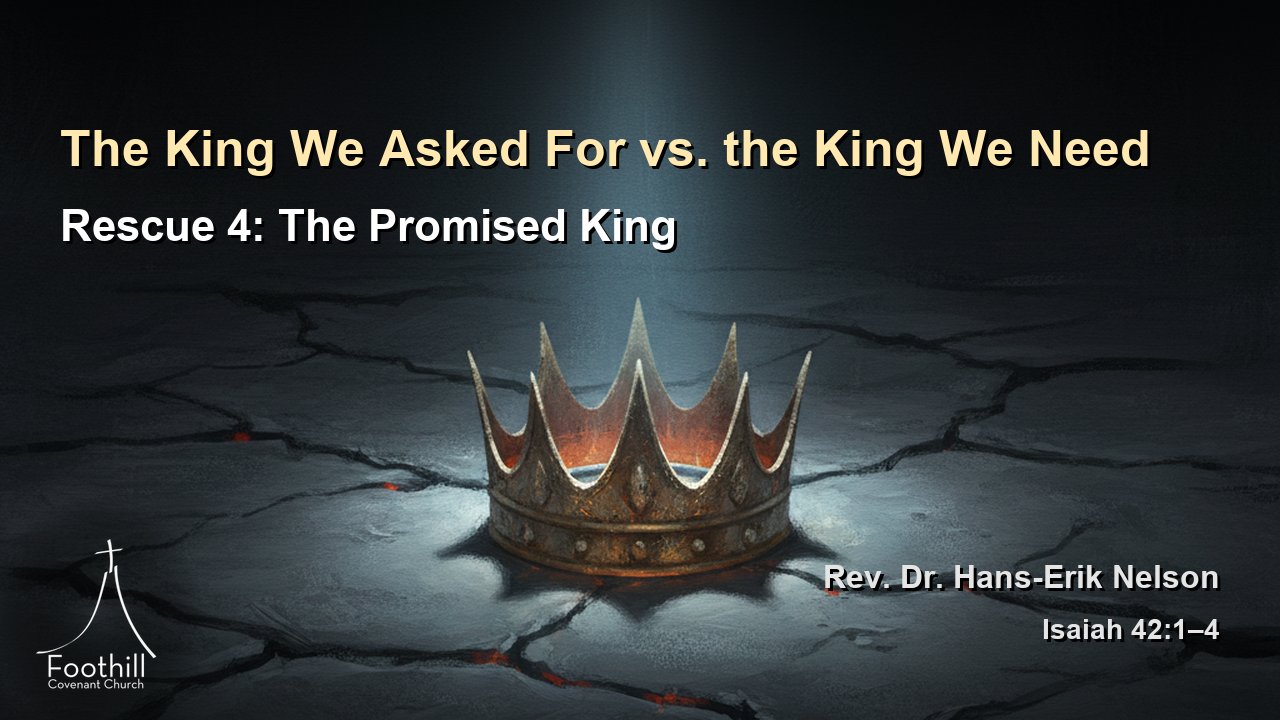
You'll see how the long, messy history of failed human kings in the Old Testament wasn't a detour in God's plan but the very thing that makes the promise of a different kind of king, one who won't crush the weakest reed, so striking and so specific.
You'll see why Genesis 15 is one of the most pivotal chapters in the entire Bible, and how God's ancient covenant with Abraham points directly to why faith, not performance, is what makes a relationship with God possible.
You'll hear why the most overlooked detail in the Fall story is God calling out 'Where are you?' and what that search reveals about the kind of relationship God wanted then and still wants now.
You'll come away understanding why the Bible's first five verses are not just background to the real story but are the foundation for why God bothers to rescue humanity at all. If you've ever wondered whether your existence has any weight behind it, this sermon traces that question back to its source.